
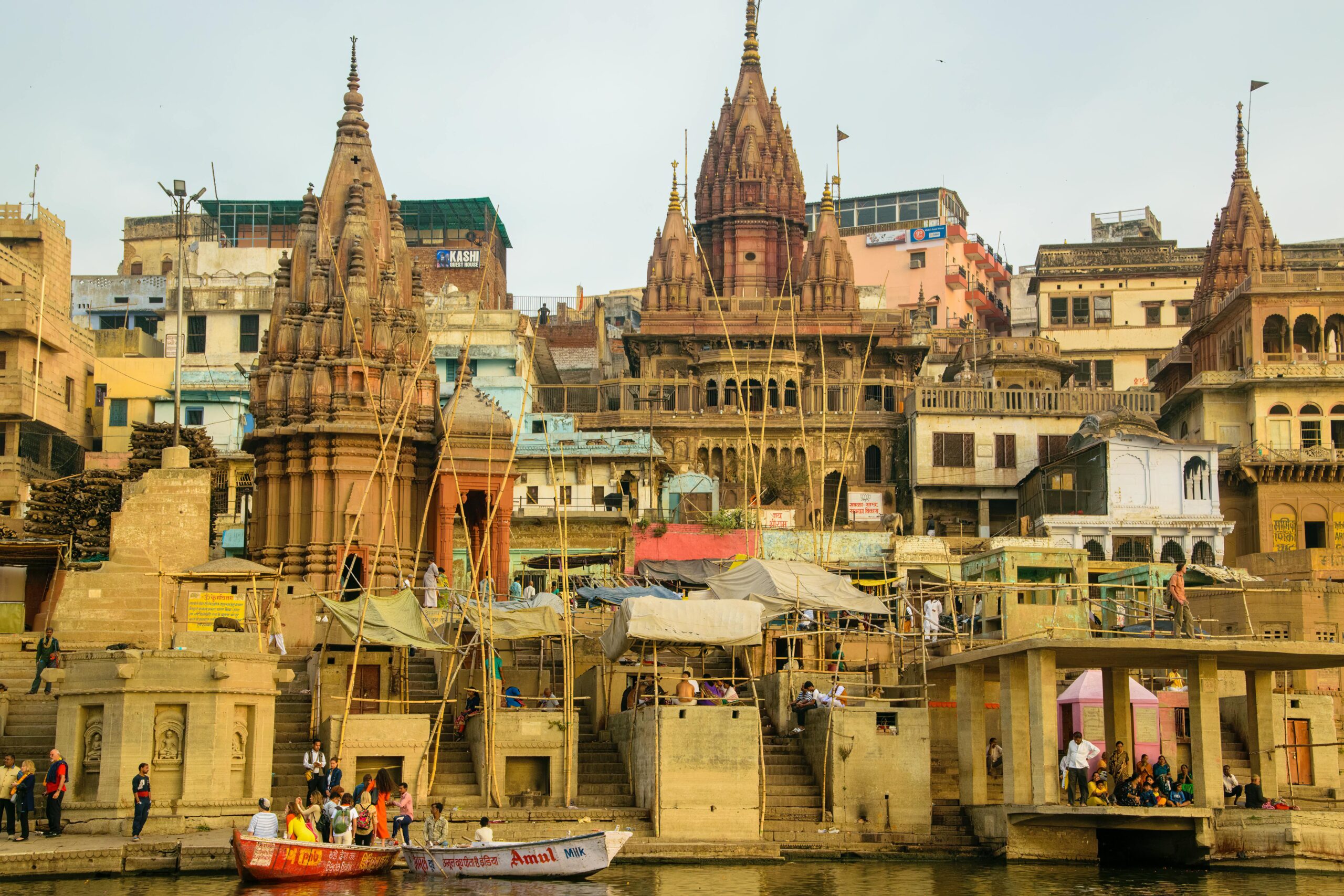
North India Pilgrimage Tours Planned for Three Generations , Picture this: your elderly parents seeking spiritual solace, you juggling everyone’s needs while finding your own moment of peace, and your kids wondering why everyone’s so excited about old temples. Sound familiar? Planning a pilgrimage that satisfies grandparents, parents, and children simultaneously might seem like trying to please everyone at a buffet with completely different tastes. But here’s the beautiful truth—it’s not only possible, it’s incredibly rewarding. Let me show you how to create a North India pilgrimage that becomes a treasured family memory rather than a logistical nightmare.

Why Multi-Generational Pilgrimages Are Special
North India Pilgrimage Tours Planned for Three Generations , There’s something profoundly beautiful about three generations standing together on the ghats of the Ganges or walking through the Golden Temple courtyard. These moments create family bonds that transcend daily life. Your children witness their grandparents’ devotion, understanding their roots more deeply. Your parents get to share their faith with their grandchildren, passing down traditions in the most authentic way possible. And you? You become the bridge connecting past and future.
Multi-generational pilgrimages aren’t just about visiting temples—they’re about creating shared spiritual experiences that become part of your family’s story. That morning when your daughter held her grandmother’s hand during the Ganga Aarti, or when your father explained the significance of a ritual to your son—these moments become the fabric of family legacy.
North India Pilgrimage Tours Planned for Three Generations , Beyond the spiritual benefits, traveling together strengthens family ties in ways that regular vacations simply don’t. There’s something about shared reverence that dissolves the usual generation gaps. Grandparents feel valued and respected, children learn patience and cultural appreciation, and everyone learns to accommodate different needs with grace.
Understanding the Unique Challenges
Different Energy Levels and Interests
Let’s be realistic: your 65-year-old father can’t climb as fast as your 10-year-old son, and your teenager might not share your mother’s enthusiasm for a three-hour temple ceremony. These aren’t problems to solve; they’re realities to embrace in your planning.
Grandparents typically need more rest periods, shorter walking distances, and earlier bedtimes. Parents in their 30s and 40s have moderate energy and can bridge both extremes. Children and teenagers have abundant physical energy but limited patience for prolonged spiritual activities. The key is designing an itinerary that honors all these differences rather than forcing everyone into one pace.
Varied Spiritual Connections
Your parents might approach this pilgrimage with decades of devotional practice and deep theological understanding. You might have a more questioning, intellectual relationship with spirituality. Your children might see it as an adventure with some boring parts. All these perspectives are valid and can coexist beautifully with the right approach.
The mistake many families make is expecting uniform spiritual engagement. Instead, allow each generation to experience the pilgrimage at their own depth. Grandparents can participate fully in rituals while children watch and learn without forced participation. Parents can explain and contextualize without imposing belief.
Accommodation and Space Requirements
Traveling with three generations means you’re likely looking at 5-8 people or more. Finding accommodation that keeps everyone together yet provides necessary privacy becomes crucial. You can’t cram everyone into standard hotel rooms without creating tension, but you also don’t want the family so separated that you lose the togetherness that’s the whole point.
Budget becomes another consideration—multiply everything by 6-8 people, and costs escalate quickly. Yet there are smart solutions that balance comfort, togetherness, and affordability.
Best North India Destinations for Three Generations
Haridwar and Rishikesh – Something for Everyone
This twin-city combination is perhaps the most perfect multi-generational destination. Why? Because it naturally offers activities suited to different ages and interests.
Activities for Grandparents
The evening Ganga Aarti at Har Ki Pauri in Haridwar is accessible and deeply moving for elderly travelers. The ghats have decent facilities, and the ceremony doesn’t require standing or walking extensively. Morning temple visits to Mansa Devi or Chandi Devi (accessible by cable car) provide spiritual fulfillment without excessive physical strain.
In Rishikesh, ashram stays offer peaceful environments perfect for elderly devotees. The gentle yoga sessions designed for seniors, riverside meditation spots, and regular satsangs provide exactly the spiritual immersion older generations seek.
Experiences for Parents
As the middle generation, you’ll appreciate Rishikesh’s more philosophical approach to spirituality. Attend lectures on Vedanta philosophy, try more advanced yoga classes, or simply enjoy the stunning Himalayan scenery during walks along the Ganges. The Beatles Ashram, with its quirky art and history, appeals to the cultural interests many parents have.
Haridwar’s bustling markets offer shopping opportunities, and both cities have excellent vegetarian restaurants where you can enjoy meals without worrying about elderly parents or children being exposed to unsuitable food.
Fun for Children and Teens
Here’s the genius of Rishikesh for families: adventure activities! While grandparents rest and parents participate in spiritual activities, older children and teens can try river rafting (supervised, age-appropriate sections), rope activities at adventure parks, or short treks. The iconic Laxman Jhula and Ram Jhula suspension bridges feel like adventures to kids.
The Triveni Ghat evening aarti in Rishikesh is shorter and more colorful than others, holding children’s attention better. And many kids find feeding the fish in the Ganges surprisingly entertaining.
Amritsar – The Equalizing Power of the Golden Temple
The Golden Temple possesses a unique ability to captivate all ages simultaneously. I’ve seen toddlers mesmerized by the golden reflection in the sacred pool, teenagers respectfully quiet during kirtan, and elderly visitors moved to tears—all at the same moment.
The architecture alone is stunning enough to interest even non-religious family members. The langar (community kitchen) serving free meals to 100,000+ people daily teaches children values of equality and service more effectively than any lecture. Volunteering to wash dishes or serve food becomes a family activity everyone remembers.
The Wagah Border ceremony, just 30 kilometers away, adds an element of patriotic excitement that engages children and adults alike. The enthusiastic flag-lowering ceremony between India and Pakistan is entertaining without being overly strenuous for elderly grandparents.
Mathura-Vrindavan – Krishna’s Playground
For families with devotion to Lord Krishna, these twin cities are magical. But even beyond religious significance, the playful legends of Krishna naturally appeal to children in ways that more austere spiritual sites don’t.
Stories of Krishna stealing butter, playing pranks, and dancing with the gopis make the temples come alive for young minds. The ISKCON temple in Vrindavan offers clean facilities, organized darshan, and often has programs specifically designed for children introducing Krishna stories through animation and interactive sessions.
Boat rides on the Yamuna River, especially during evening aarti, provide restful yet engaging experiences suitable for all ages. The relatively compact geography of both cities means less travel between sites—crucial when moving a large, multi-generational group.
Varanasi – Where Ages Meet Ancient Wisdom
Varanasi is intense and might seem like an odd choice for family pilgrimages. Yet something about this ancient city resonates across generations in unexpected ways. The sheer age and continuity of spiritual practice here—unchanged for millennia—creates a sense of connection to something larger than ourselves.
Boat rides on the Ganges work beautifully for families. Grandparents can sit comfortably while everyone takes in the extraordinary sights of the ghats. Morning rides especially captivate children—the sunrise, the rituals, the city awakening. It’s sensory and visual in ways that hold attention across age groups.
Sarnath, where Buddha delivered his first sermon, provides a peaceful contrast to Varanasi’s chaos. The archaeological ruins, museum, and serene Buddhist temples offer educational and spiritual value without overwhelming sensory input.
Planning the Perfect Three-Generation Itinerary
Duration and Pacing Strategy
For three generations traveling together, 7-10 days is the sweet spot. Shorter feels rushed when coordinating so many people; longer risks exhaustion and family tensions. Within this timeframe, choose 2-3 primary destinations maximum.
Here’s the critical pacing rule: alternate intense days with lighter days. After a full day of temple visits and ceremonies, plan a rest day or lighter activities. Build in “split options” where grandparents can rest while parents take children to more active sites, then regroup for evening activities.
A sample 7-day structure might look like:
- Days 1-3: Haridwar and Rishikesh (varied activities)
- Day 4: Travel and rest day
- Days 5-7: Amritsar (focused but not rushed)
Building in Flexibility
With multiple generations, something unexpected will happen—someone will be tired, a child will be cranky, grandpa will want extra time at a particular temple. Build flexibility into every day. Don’t pack schedules so tightly that any deviation causes stress.
Plan major activities for mornings when everyone’s fresh. Keep afternoons loosely structured with optional activities. Always have a “Plan B” that’s less demanding if energy levels are low.
Balancing Spiritual and Recreational Activities
The secret to keeping everyone engaged is variety. Pure pilgrimage sites for spiritual fulfillment, cultural sites for educational value, and recreational activities for fun and bonding.
A balanced day might include: morning temple visit (spiritual), afternoon museum or cultural site (educational), evening at leisure or light entertainment (recreational). This rhythm prevents spiritual fatigue in children while ensuring grandparents get the devotional experiences they seek.
Accommodation Solutions for Large Families
Family Suites and Connecting Rooms
Many modern hotels now offer family suites or connecting rooms perfect for multi-generational travel. These typically provide 2-3 bedrooms with a common living area—privacy when needed, togetherness when desired.
In Rishikesh, properties like Ganga Kinare offer riverside family suites. In Amritsar, hotels near the Golden Temple have family accommodation options. Always call hotels directly to discuss your specific needs rather than relying solely on online booking platforms that might not show all options.
Heritage Properties with Character
Heritage hotels and havelis often have larger rooms and family-friendly layouts. These properties also provide cultural immersion that enhances the pilgrimage experience. Grandparents appreciate the traditional architecture, parents enjoy the historical significance, and children find the old buildings fascinating.
In Varanasi, heritage havelis near Assi Ghat offer family stays with character. Amritsar has several heritage properties near the Golden Temple that welcome large families.
Ashrams That Welcome Families
Not all ashrams accept families with children, but some do. Parmarth Niketan in Rishikesh welcomes families and offers cottage accommodations that can house multiple generations. The ashram environment provides authentic spiritual immersion while being safe and comfortable for all ages.
Ashram stays are also extremely budget-friendly—a significant consideration when accommodating 6-8 people. The simple, sattvic food suits elderly digestive systems and is safe for children.
Transportation for Multi-Generational Groups
Forget trains and buses—with three generations, hire a large private vehicle with driver for the entire tour. A 12-14 seater Tempo Traveller provides comfortable seating for everyone with space for luggage. The cost divided by 6-8 people becomes reasonable, and the flexibility and comfort are invaluable.
Your driver becomes part of the family, knowing everyone’s needs, suggesting good restaurants, helping with luggage, and ensuring safety. Choose a driver-cum-guide who knows the spiritual significance of sites and can explain things to children in engaging ways.
For longer distances, consider overnight trains with family compartments (coupe or cabin bookings) that keep everyone together. Flights work for destinations like Amritsar, especially when traveling with elderly grandparents for whom long road journeys are difficult.
Keeping Children Engaged During Pilgrimages
Age-Appropriate Spiritual Education
Transform temple visits into treasure hunts. “Can you find the elephant god? What’s he holding?” Turn mythology into stories. “Want to hear about the time baby Krishna lifted a mountain?” Make it interactive, not instructive.
Provide children with small notebooks to sketch temples, collect prasad in special pouches, or press flowers from temple gardens. These activities give them agency and engagement rather than passive boredom.
Teenagers respond to different approaches—discuss the architecture, the history, the social aspects. Let them photograph creatively. Trust them with small responsibilities like navigating using maps or managing certain logistics.
Interactive Temple Activities
Participating is more engaging than watching. Let children ring temple bells, help light diyas, offer flowers, or float lamps on the river. These hands-on experiences create memories and teach respect through action.
Many temples now have information boards or guides specifically for children. ISKCON temples particularly excel at child-friendly spiritual education with animations, storytelling sessions, and interactive programs.
Balancing Sacred Sites with Fun Stops
Reward system works: after two hours at temples, stop for ice cream. After morning spiritual activities, afternoon at a garden or park. In Rishikesh, follow temple visits with walks to adventure spots. In Amritsar, visit Sadda Pind (a cultural village) after the Golden Temple.
This isn’t bribing children to tolerate spirituality; it’s recognizing that different ages have different capacities for sustained focus. Balance keeps everyone happy and willing to participate.
Managing Different Dietary Needs Across Generations
Multi-generational travel means multiple dietary considerations. Grandparents might need low-salt, easily digestible food. Parents might have preferences or restrictions. Children need familiar, kid-friendly options.
Fortunately, North Indian pilgrimage sites are predominantly vegetarian, eliminating one concern. Choose restaurants with varied menus where everyone can find something suitable. Hotels with in-room dining allow you to order separately for different needs.
Carry snacks that work for all ages—dry fruits for grandparents, crackers for children, protein bars for parents. Stay hydrated but only with bottled water. Avoid street food, however tempting, to prevent digestive issues in vulnerable family members.
Creating Meaningful Bonding Experiences
The real magic of three-generation pilgrimages happens in unplanned moments. Early morning walks where grandpa tells your son stories about his own childhood pilgrimages. Grandma teaching your daughter how to properly offer prayers. Your teenager asking their grandfather deep questions about faith sparked by the day’s experiences.
Create opportunities for these moments. Evening family discussions where everyone shares their favorite part of the day. Multi-generation photos at significant spots. Recording grandparents explaining rituals on video—priceless family archives.
Encourage grandparents to share their spiritual journeys with grandchildren without forcing belief. The transmission of values happens through example and story, not instruction.
Budget Considerations for Large Groups
Multi-generational pilgrimages can be surprisingly affordable when costs are shared across the family. A ₹80,000 tour divided by two or three nuclear families becomes ₹25,000-40,000 per family—quite reasonable for a week-long meaningful vacation.
Typical costs for three-generation group (6-8 people) for 7 days:
- Accommodation: ₹35,000-50,000 (family suites/multiple rooms)
- Transportation: ₹25,000-35,000 (Tempo Traveller with driver)
- Meals: ₹20,000-30,000 (varied restaurants, some hotel dining)
- Activities/Entrance fees: ₹10,000-15,000
- Miscellaneous: ₹10,000
- Total: ₹1,00,000-1,40,000 for the entire group
Per person, this works out to ₹12,500-17,500 for a week—exceptional value for a meaningful family experience with accommodation, all transportation, and most meals included.
Sample 7-Day Three-Generation Itinerary
Day 1: Arrival in Haridwar
- Afternoon arrival, hotel check-in
- Light exploration of nearby areas
- Evening Ganga Aarti at Har Ki Pauri (everyone participates)
- Early dinner and rest
Day 2: Haridwar Temples
- Morning: Mansa Devi Temple (cable car—easy for grandparents)
- Brunch at hotel
- Afternoon: Rest for grandparents; parents and kids visit markets
- Evening: Float diyas on the Ganges together
Day 3: Rishikesh
- Morning: Transfer to Rishikesh, check into ashram/hotel
- Light lunch
- Afternoon: Beatles Ashram visit, walk on Laxman Jhula
- Evening: Parmarth Niketan Ganga Aarti
- Dinner at ashram
Day 4: Rishikesh Activities
- Morning: Gentle yoga session together
- Mid-morning: Grandparents rest; parents and teens try river rafting (safe section)
- Lunch together
- Afternoon: Riverside leisure time
- Evening: Satsang at ashram (optional for all)
Day 5: Travel to Amritsar
- Morning: Leisurely breakfast
- Depart for Amritsar (flight or train)
- Afternoon arrival, hotel check-in, rest
- Evening: First visit to Golden Temple (less crowded)
- Light dinner
Day 6: Amritsar Full Day
- Early morning: Golden Temple for morning prayers
- Return for breakfast
- Mid-morning: Volunteer at langar kitchen (family activity)
- Lunch at hotel
- Afternoon: Jallianwala Bagh, local sightseeing
- Evening: Wagah Border ceremony
- Dinner at local restaurant
Day 7: Departure
- Morning: Final visit to Golden Temple
- Late breakfast
- Shopping for souvenirs
- Afternoon departure
This itinerary balances spiritual activities, rest periods, and family bonding while keeping logistics manageable.
Common Pitfalls to Avoid
Over-scheduling: The biggest mistake families make is cramming too much into each day. Leave breathing room.
Ignoring physical limitations: Don’t force elderly grandparents to keep up with children’s pace or vice versa. Split activities when needed.
Forgetting fun: Pure spirituality exhausts children. Balance is essential.
Poor communication: Discuss expectations before the trip. What does each generation hope to experience?
Inadequate rest: Multi-generational groups need more rest than adult-only groups. Budget for it.
Inflexible itineraries: Leave room for spontaneous changes when someone needs extra rest or wants to linger somewhere.
Neglecting individual needs: While togetherness is beautiful, everyone occasionally needs space. Build in some individual time.
Conclusion
Planning a North India pilgrimage for three generations isn’t about creating the perfect trip—it’s about creating the perfect opportunity for family connection through shared spiritual experience. Yes, it requires more planning than adult-only travel. Yes, you’ll need to accommodate different paces and interests. But the rewards—watching your children connect with their grandparents over shared reverence, seeing spiritual traditions passed naturally from one generation to the next, creating memories that will be retold at family gatherings for decades—these are priceless.
The temples, rivers, and sacred sites of North India have witnessed countless generations of pilgrims. When you bring your family together in these ancient spaces, you’re not just traveling—you’re creating your family’s spiritual story, woven into the timeless fabric of devotion that has defined this land for thousands of years. That grandmother-grandchild moment at the Ganga Aarti, that family photo at the Golden Temple, that evening when three generations sat together sharing the day’s experiences—these become the treasured memories that define your family’s heritage.
So take the plunge. Coordinate the schedules, accommodate the different needs, embrace the complexity. The effort you invest in planning will be rewarded a thousandfold in connection, meaning, and love that spans generations.
FAQs
1. What age range works best for children on spiritual pilgrimages?
Children from age 6-7 onwards generally have enough attention span and physical stamina for pilgrimage tours with appropriate planning. Younger children (3-6) can participate in shorter, simpler pilgrimages with more rest and play breaks. Avoid bringing toddlers unless absolutely necessary—the combination of crowds, heat, and irregular schedules can be challenging. Teenagers (13+) often gain the most from these experiences as they can engage with the philosophical and cultural aspects while still enjoying adventure activities. Each age requires different engagement strategies, but 7-12 is often the sweet spot where children are old enough to appreciate the experience yet young enough to remain curious and open.
2. How do we handle religious participation differences if some family members are more devout than others?
This is beautifully normal in multi-generational families. The key is creating space for varying levels of participation without judgment. Establish upfront that everyone can engage at their comfort level—grandparents can perform full pujas while children watch and parents participate partially. Frame it as “experiencing” rather than “believing.” Non-devout family members can appreciate cultural, historical, and architectural aspects while respecting others’ devotional practices. Never force participation in rituals, but encourage respectful presence. Often, children who weren’t initially interested become engaged by witnessing their grandparents’ genuine devotion—belief can’t be forced, but respect can be modeled.
3. What if there’s a medical emergency during the pilgrimage with elderly grandparents?
Preparation is everything. Before traveling, get comprehensive health check-ups for elderly family members. Carry complete medical records, prescription copies, and extra medication supplies. Research hospitals in each destination beforehand and keep addresses/numbers saved. Consider travel insurance that covers pre-existing conditions for seniors. Keep at least one family member informed about each elder’s medical conditions and medications. Many pilgrimage cities now have excellent healthcare—Rishikesh has AIIMS, Varanasi has Heritage Hospital, Amritsar has Fortis. In emergencies, hotel staff and drivers can help navigate to appropriate facilities quickly. Having younger, capable adults in the group significantly helps handle emergencies calmly.
4. Can we customize these pilgrimages if our family follows a specific sect or guru tradition?
Absolutely! North India offers pilgrimage options for virtually every Hindu sect, Sikh tradition, Buddhist lineage, and Jain denomination. If your family follows a particular guru parampara, you can design pilgrimages around associated ashrams and sacred sites. For instance, Chinmaya Mission devotees might focus on Rishikesh and associated centers; Art of Living followers might include their ashram; ISKCON families might emphasize Vrindavan. Sikh families can explore the rich gurudwara circuit beyond Amritsar. Buddhist families might focus on the circuit including Sarnath, Bodh Gaya, and Kushinagar. The itineraries suggested are templates—adapt them to your family’s specific spiritual path for even more meaningful experiences.
5. How do we manage screen time and technology use during a spiritual pilgrimage?
This requires family agreement before departure. For children and teens, completely banning devices often backfires, creating resentment. Instead, create guidelines: device-free during temple visits and family activities; limited screen time during rest periods; photography is encouraged but should enhance rather than replace direct experience. Consider providing children with basic cameras instead of phones for documentation—it gives them creative outlet without constant connectivity. Some families designate “tech-free hours” in the evening for family reflection and conversation. Model the behavior you expect—if parents are constantly on phones, children won’t respect restrictions. Use technology positively: apps for temple information, educational videos about mythology, or recording grandparents sharing stories. The goal isn’t to eliminate technology but to ensure it serves the pilgrimage rather than distracting from it.





Comments are closed.